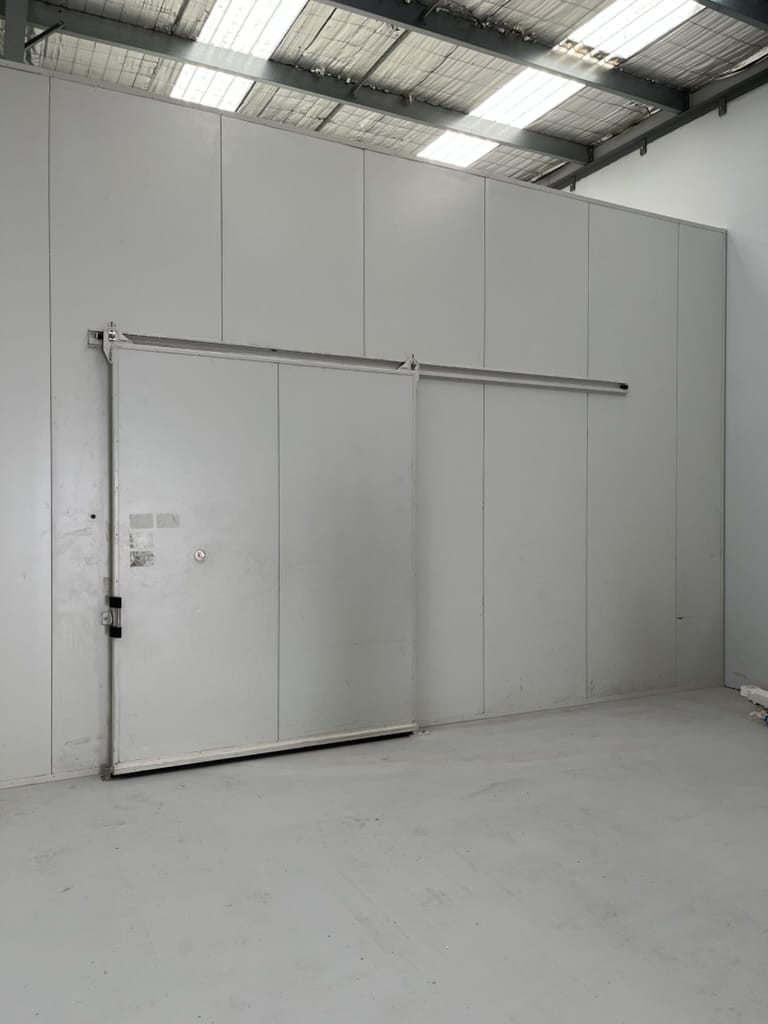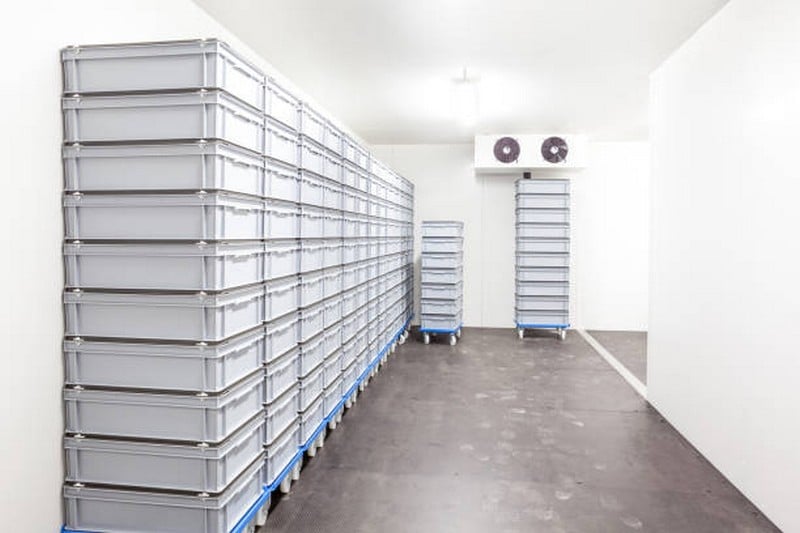
Whether you’re building a new food production facility, expanding a warehouse, or installing a coolroom for a restaurant or supermarket, the quality of your coolroom installation has a significant impact on operating costs, food safety, and long-term reliability.
At Precedent Insulated Panels, we’ve delivered specialist coolrooms, freezers and temperature-controlled facilities across Australia for more than 35 years. We’ve seen firsthand how careful planning during construction prevents expensive issues years down the track.
Here are our top coolroom installation tips before your project begins.
1. Choose the Right Insulated Panels
Not all insulated panels are created equal.
Selecting the correct panel type and thickness depends on several factors, including:
- Operating temperature
- Ambient climate
- Internal humidity
- Building use
- Fire performance requirements
For chilled applications, PIR or XFLAM insulated panels are commonly specified for their excellent thermal performance. Food production facilities may also require FM Approved or fire-rated systems depending on insurer or project requirements.
Using panels that are undersized can dramatically increase refrigeration running costs throughout the life of the facility.
2. Design the Floor Correctly
One of the biggest mistakes we encounter is treating the floor as an afterthought.
A properly designed coolroom floor should consider:
- Floor insulation
- Vapour barriers
- Concrete thickness
- Drainage
- Slip resistance
- Forklift loading
Freezer installations often require underfloor heating or frost protection to prevent ground heave.
Getting the floor right during construction is significantly cheaper than rectifying issues later.
3. Plan Door Locations Carefully
Door placement affects far more than convenience.
Correctly positioned doors help:
- Reduce warm air infiltration
- Improve workflow
- Minimise forklift travel
- Increase energy efficiency
- Reduce product contamination risks
Choosing between sliding doors, personnel doors and rapid doors should be based on operational requirements rather than simply available wall space.
4. Don’t Underestimate Drainage Requirements
Poor drainage creates hygiene problems, maintenance issues and potential compliance risks.
A professional coolroom installation should include:
- Appropriate strip drains where required
- Correct falls
- Easy-to-clean drainage systems
- Hygienic detailing
- Trade waste considerations where applicable
Drainage should always be coordinated with hydraulic engineers before construction begins.
5. Think About Future Expansion
Businesses often outgrow their facilities sooner than expected.
During design, consider whether your coolroom may eventually require:
- Additional storage
- Blast freezing
- Processing areas
- Larger refrigeration equipment
- Extra door openings
Allowing for future expansion during the initial installation can save substantial reconstruction costs later.
6. Ensure Vapour Sealing is Done Properly
Even the highest-quality insulated panels will perform poorly if vapour sealing is neglected.
Proper sealing helps prevent:
- Condensation
- Ice build-up
- Mould growth
- Loss of insulation performance
- Moisture damage
Professional installation includes careful sealing of every panel joint, penetration and connection.
7. Coordinate All Building Services Early
Many delays occur because trades are working independently.
Electrical, refrigeration, plumbing, fire services and structural steel should all be coordinated before panel installation begins.
Early coordination reduces:
- Panel penetrations
- Rework
- Air leakage
- Project delays
- Unexpected costs
This is especially important for food production and pharmaceutical facilities where hygiene standards are critical.
8. Select Experienced Installers
Insulated panel construction is a specialist trade.
Unlike conventional building systems, sandwich panels require precise installation techniques to maintain structural integrity, thermal performance and airtightness.
Choosing experienced installers helps ensure:
- Straight panel alignment
- Proper fixing systems
- Airtight joints
- High-quality finishes
- Manufacturer warranty compliance
9. Consider Operational Efficiency
The best coolroom is not simply the coldest one.
It should also improve the efficiency of your business.
Good design considers:
- Forklift movements
- Staff access
- Picking operations
- Product flow
- Maintenance access
- Cleaning procedures
These details have a major impact on labour productivity over the life of the facility.
10. Work With Specialists From Day One
Perhaps the most important tip is involving specialist coolroom contractors during the planning stage.
Early involvement allows construction methods, structural requirements and refrigeration systems to be coordinated before work begins.
This often results in:
- Lower construction costs
- Faster installation
- Fewer variations
- Better energy efficiency
- Longer building life
At Precedent Insulated Panels, we regularly work alongside architects, builders, engineers and refrigeration contractors to deliver complete cold storage solutions that perform for decades.
Why Choose Precedent Insulated Panels?
With over 35 years of industry experience, Precedent Insulated Panels specialises in designing and constructing:
- Commercial coolrooms
- Freezers
- Cold storage warehouses
- Food production facilities
- Beverage processing facilities
- Pharmaceutical cleanrooms
- Architectural insulated panel systems
From concept through to completion, our experienced team delivers high-quality insulated panel construction that is built to last.
If you’re planning a new coolroom installation or upgrading an existing facility, we’d be happy to discuss your project.
Contact Precedent Insulated Panels today to speak with one of our cold storage specialists.